Innovation
Jev and the Cost of a Decision
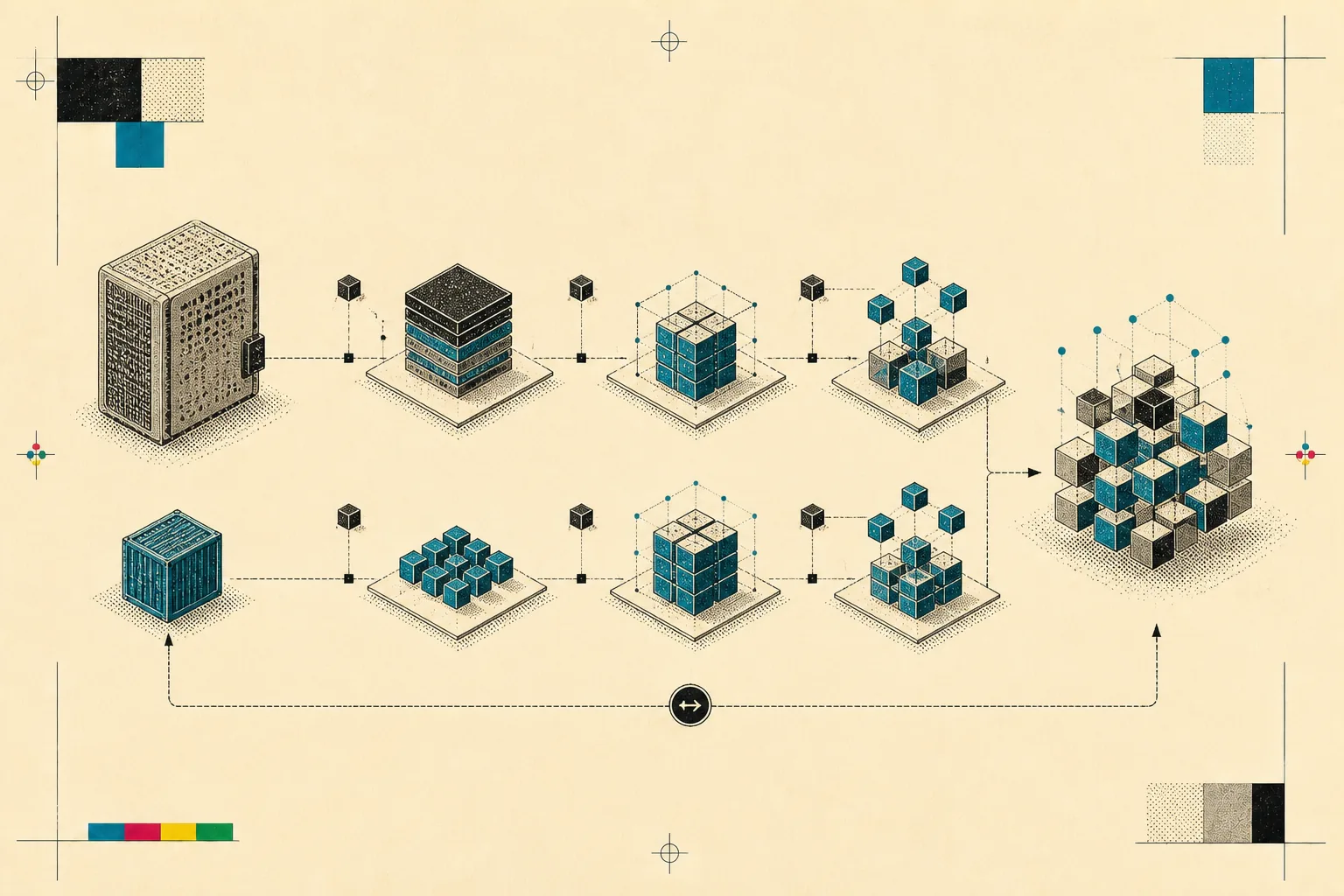
Jev, small models and local AI are changing how we build software. What happens to the market when a useful decision keeps getting cheaper?
Every article is made for readers seeking concrete information, focused analysis and original perspectives on technology.
This is Network Caffè: a space for technological inspiration and innovation, as genuine and engaging as coffee shared in good company. Legacy article records are already in the archive; full texts are being imported and reviewed progressively.
12 articles found
Jev, small models and local AI are changing how we build software. What happens to the market when a useful decision keeps getting cheaper?
When owning an object no longer means being allowed to fix it. The FTC takes John Deere to court, Canada legalizes jailbreaking, Europe prepares new rules: a chronicle of a global war for the right to repair.
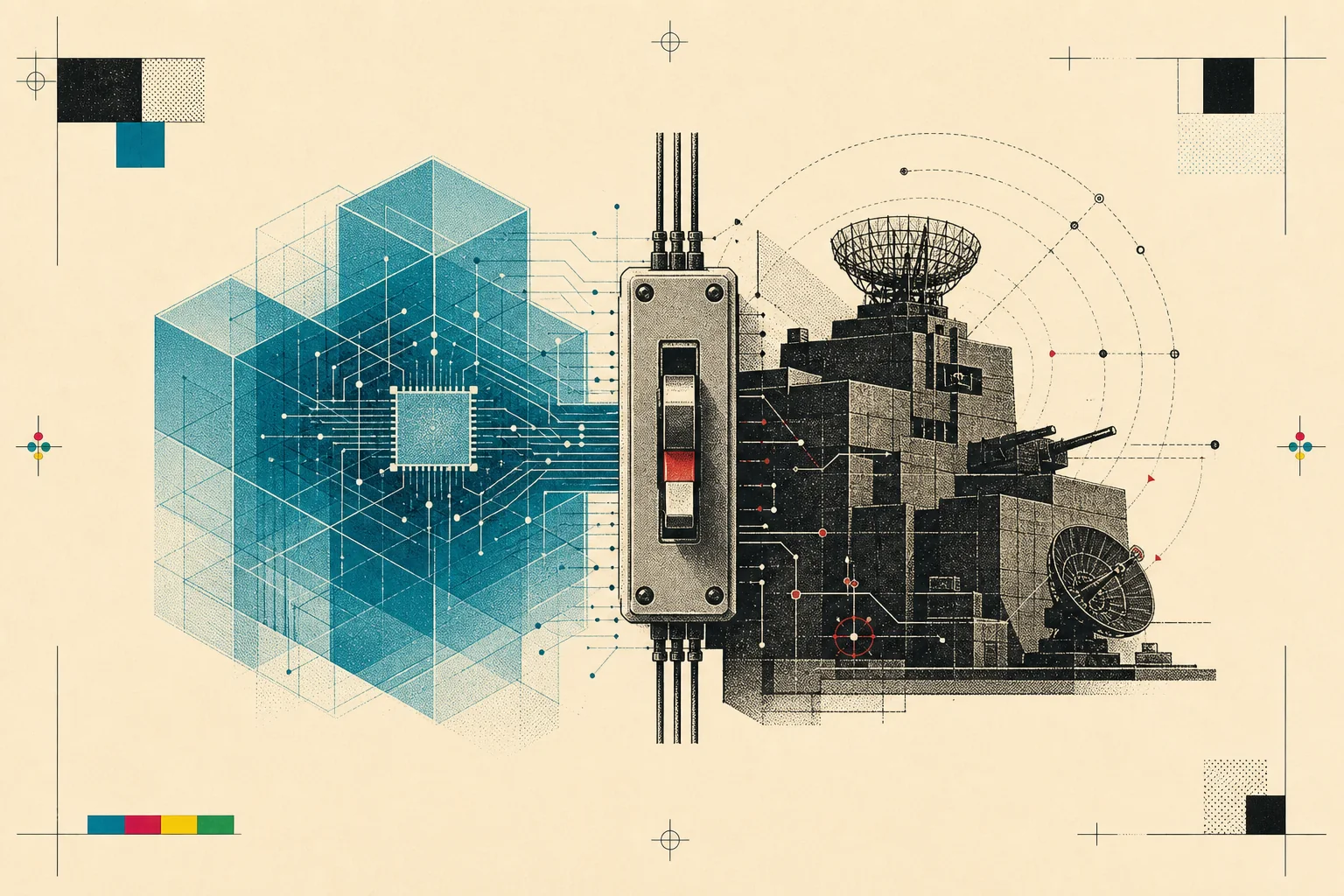
The Anthropic Pentagon clash over AI ethics: a $200M contract lost, a supply chain risk label, and the battle over autonomous weapons and mass surveillance.
In recent years, the fields of Artificial Intelligence (AI) and programming have experienced rapid evolution, with advances that until recently seemed like science fiction. We've moved from specialized AI systems to generative and multimodal models capable of performing complex tasks, including software development and the creation of all types of content. In parallel, "AI-first" code editor tools (such as Cursor) and AI-based low-code/no-code platforms (such as lovable.dev) are lowering the barrier to adopting digital technologies, allowing a wider audience to develop applications or integrate AI into workflows.
In the software development landscape, low-code/no-code frameworks and platforms constitute a rapidly growing trend, driven by the need to accelerate release cycles and reduce barriers to entry for application development.
Notion has revolutionized how companies, teams, and professionals organize their work and manage information. In this in-depth analysis, we'll explore concrete case studies demonstrating how Notion has transformed business processes, enhanced collaboration, and boosted productivity across various sectors, supported by quantitative data and verifiable sources.
In today's technological landscape, few tools have redefined the concept of a digital workspace like Notion has. Launched in 2016, this software marked a significant turning point in graphical interface development and digital information management, addressing needs long felt by professionals and businesses alike.
In this article, we will explore the Second Brain methodology developed by Tiago Forte, analyze why Obsidian represents an ideal tool for building it, and examine concrete examples of how this approach can revolutionize the way we learn, create, and work.
Blockchain literally means “chain of blocks.” It is a technology that maintains a secure and transparent public, distributed ledger of transactions. Imagine a ledger maintained by many participants: every time a…
Post‑quantum cryptography (PQC) refers to encryption algorithms designed to withstand attacks even from future quantum computers. Today’s online security relies on algorithms—such as RSA or ECC—that a sufficiently…
When people hear “blockchain,” they often immediately think of Bitcoin and cryptocurrencies. However, this technology—essentially a distributed and immutable digital ledger—has found applications in many sectors beyond…
The imminent arrival of large‑scale quantum computers represents an unprecedented threat to cybersecurity. Leveraging the principles of quantum mechanics, these machines will be capable of solving certain mathematical…